
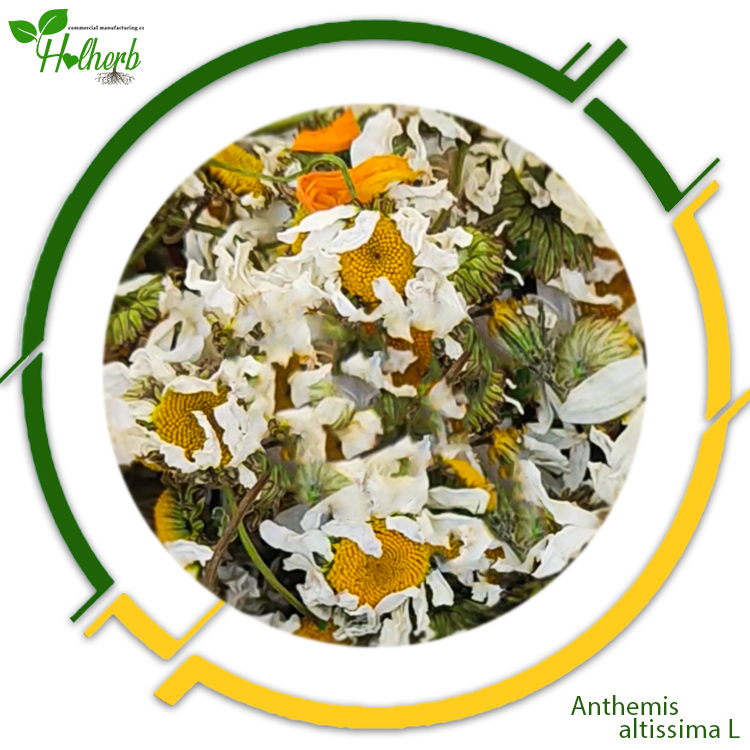
Introduction to Feverfew
This type of chamomile, scientifically known as Tanacetum parthenium, is also known as wild chamomile, feverfew, Tansy or medieval aspirin. It is a perennial flowering plant that grows to a height of 40-80 centimeters.
Geographical distribution:
It is found almost all over the world and is cultivated in many provinces of Iran.
Compounds and active ingredients:
Feverfew contains various active compounds such as flavonoids and volatile oils, and its main compound is parthenolide, which is found in the plant's leaves. Studies have shown that parthenolide may be responsible for many potential health benefits of this medicinal herb.
Therapeutic properties and effects:
In traditional Iranian medicine, it is used to treat high fever and inflammatory diseases. It is effective in treating migraines and is also useful in rheumatoid arthritis, anxiety and depression, acne and facial pimples.
Side effects and warnings:
Simultaneous use of feverfew with antiplatelet drugs, benzodiazepines, warfarin, cyclosporine, and generally blood thinners and alcohol is prohibited. The use of feverfew during pregnancy and lactation is associated with allergies in some people and should be avoided during these periods. Rarely, the use of feverfew may cause mild allergic reactions, and excessive consumption may cause symptoms such as headache, mouth ulcers, eye swelling, nausea and vomiting, and excessive sweating.
For more information on the benefits of feverfew and how to purchase it, click here.