-
-
Addr:Seyyd hatami Bldg,shohada Blvd,ardebil,iran
21
April 2024Damask Rose in Iran
1.history of cultivation
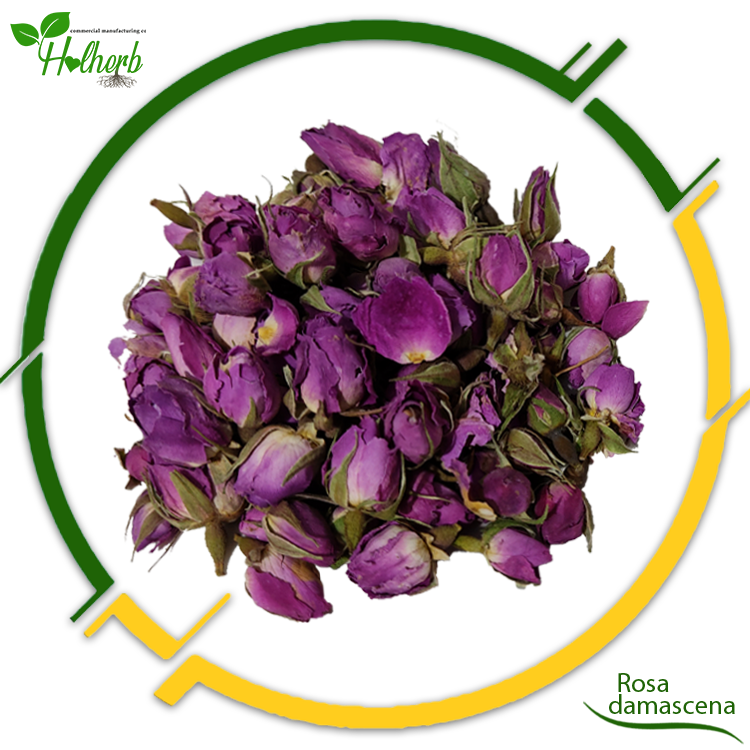
, scientifically known as Rosa damascene, has a long history of cultivation and consumption in Iran. Iran is one of the origins of this flower according to historical documents. The distillation of Damask Rose for producing essence began in the late 7th century AD, and Iran was the main producer of the essence of this plant until the 16th century, exporting it worldwide. Currently, Iran, followed by Turkey and Bulgaria, are among the largest producers of Damask Rose in the world.
Almost 70% of the world's Damask Rose is produced in Iran, making it one of the most important medicinal plants in Iran after saffron. The extensive cultivation of Damask Rose in the country, along with the long history of traditional rosewater extraction, industrial production of rosewater and essence, and most importantly, the medicinal and fragrant properties of Damask Rose, have led to widespread consumption of rosewater and other rose products among the people of Iran and other countries, especially neighboring countries, highlighting the special importance of this plant in the country).
Iran has approximately 4700 hectares of Damask Rose cultivation. Damask Rose is harvested once a year in Iran, and due to Iran's four-season climate, the conditions for growing such flowers are available in most parts of Iran. Scientifically, there is also the possibility of modifying the scent and essence of these flowers. This flower has the best growth at temperatures between 15 to 21 degrees Celsius. The ideal condition is when there is a temperature difference of 5 to 10 degrees between day and night, making the flowers more fragrant.
2.products
Products derived from this plant include rosewater, essence, concrete, absolute essence, total essence, petals, and dried buds. These products are used in perfume and aromatic industries, production of hygiene and cosmetic products such as various cosmetic creams, soaps, shampoos, milk cleansers, and beauty baths. They are also used in the production of various beverages, sweets, spices, puddings, jellies, and desserts, as well as in pharmaceutical industries due to their antidepressant, calming, disinfectant, and laxative properties. Additionally, they have valuable applications in flower arrangements and making scented pillows and decorating dried flower baskets.