
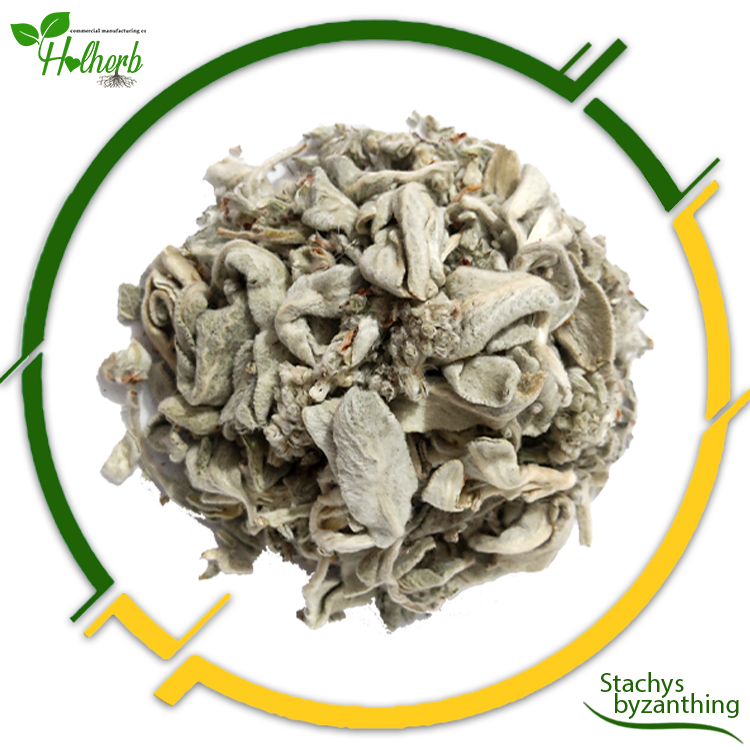
Introduction to Polak or Hedge nettle
Hedge nettle, scientifically known as Stachys byzathina, is a herbaceous and bushy plant that can grow up to 15-30 centimeters in height with pink flowers and oval-shaped leaves filled with white hairs.
Geographical distribution:
This plant is native to Iran, Armenia, and Turkey and is abundant in the provinces of Azerbaijan in Iran.
Composition and active ingredients:
Polak, Hedge nettle contains flavonoids and essential oils such as alpha-pinene, beta-pinene, ocimene, limonene, and myrcene, which have a very high antibacterial property. In traditional medicine, the leaves and flower stems of the plant are used as an antibiotic.
Therapeutic properties and effects:
Polak, Hedge nettle is anti-inflammatory, antibacterial, antimicrobial, anti-asthmatic, anti-sinusitis, anti-cold, anti-rheumatic, and effective in treating urinary tract infections, urinary burning, and internal infections in women. It is used to disinfect the respiratory, urinary, and female reproductive systems. To treat various infections, you can use Polak tea by putting a spoonful of the plant in a Chinese teapot and drinking two cups a day for at least four days. Instead of taking azithromycin, a strong antibiotic, you can mix thyme, Polak, and pennyroyal together and drink it.
Other medicinal properties include treating internal infections in women, antibacterial, antimicrobial, anti-asthmatic, anti-sinusitis, anti-cold, anti-rheumatic, anti-inflammatory, disinfecting the urinary tract, and treating respiratory infections. The aqueous extract of Polak has a strong antibacterial effect on Enterobacter aerogenes, which is a bacterium that causes urinary tract infections. Polak, Hedge nettle, has a warm and dry nature.