
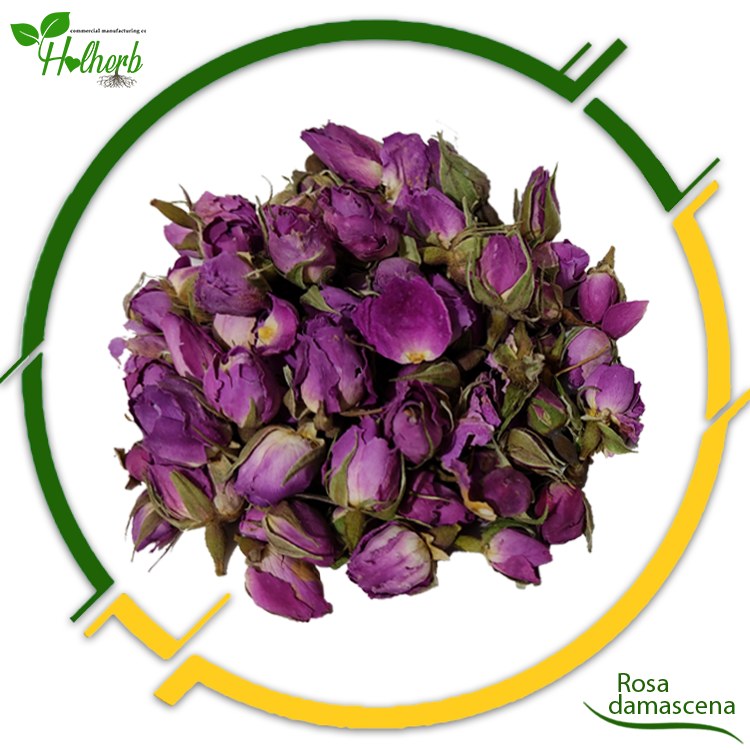
Introduction to Rose
Rose is a shrub that grows up to 2 meters in height, with thorny branches, cylindrical shape, without grooves, and compound pinnate leaves with 5-3 serrated leaflets. The veins on the back of the leaves are visible and intertwined, the leaflets are leathery and oval-shaped, with a sharp tip measuring 5-3 centimeters long. The front of the leaves is smooth and green, while the back is a pale green with hairy and woolly stems covered in glandular hairs that extend to the end of the flower cup.
The flowers bloom from early April to early July, and the duration of blooming varies from 20-30 days in each region. The flowers last for a maximum of one day, and after that, the bright pink color of the petals fades to white.
Geographical distribution:
It originates from Asia Minor and is grown in most parts of the world, including Iran.
Compounds and active ingredients:
The main compounds in rose flower include cyanidin 5, anthocyanins, 3 di-glycosides, and several other همcompounds such as camphorol, quercetin, galactoside, arabinoside, citronellal, linalool, geraniol, and terpenes. Additionally, this plant is a rich source of vitamin C, carboxylic acid, and tannins.
Therapeutic properties and effects:
Rose is used to treat rheumatic pains, heart diseases, strengthen nerves, and relieve digestive discomforts such as stomach pain. It has a moderate nature.
Side effects and warnings:
Due to its Period trigger effect, it is not allowed to be used during pregnancy.
For more information on the benefits of rose and how to purchase it, click here.