
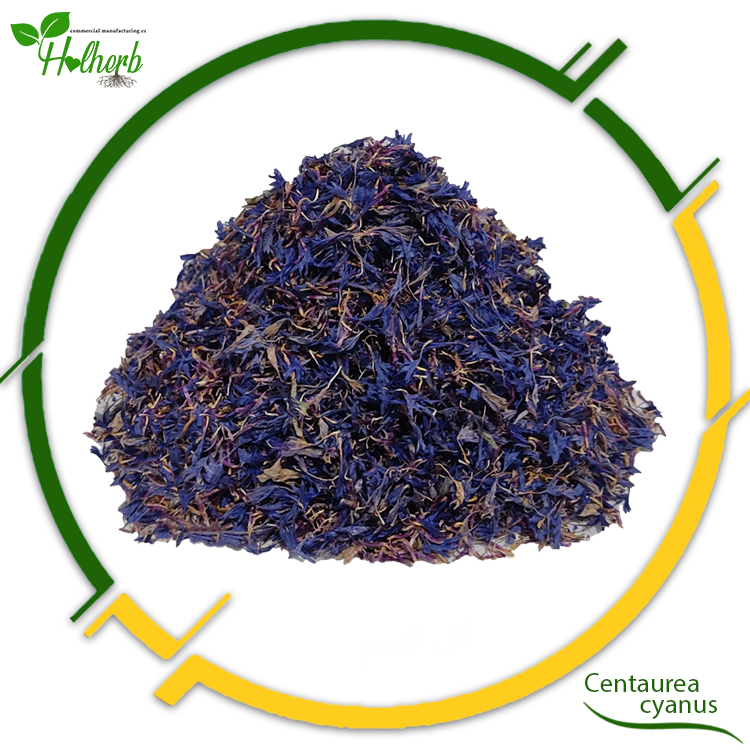
Introduction to Cornflower
Cornflower, scientifically known as Centaurea Cyanus, is a one or two-year-old medicinal plant with branched stems that grow to a height of 10-60 centimeters. The stem of this plant is greenish-white, and its flowers are often brightly colored blue. It mostly grows in wheat and cereal fields and is therefore known as cornflower.
Geographical distribution:
The habitat of this plant is in Central Asia, Southwest Asia, and Europe. It also grows in the northern regions of Iran, around Tehran, Khorasan, Kurdistan, and Baluchistan. In Azerbaijan, this plant can be seen in any barren land.
Compounds and active ingredients:
The flowers of this plant contain tannins, waxy substances, lysab and some potassium, manganese, and phosphoric acid.
Therapeutic properties and effects:
The flowers of this plant are diuretic and useful for treating colds, relieving coughs, and chest diseases. Cornflower has a warm temperature and dry nature.